
01
HCE Smart K2
Dual-chamber self-service configuration
Factory-direct commercial care equipment
Factory-direct helmet washing and disinfection equipment, including dual-chamber helmet cabinets, self-service vending models, and localized commercial programs.
| Two Helmet Chambers | 2 |
|---|---|
| Product dimensions (H × W × D) | 1870 × 640 × 530 mm |
| Rated / maximum power | 1800 / 2650 W |
| Rated voltage | AC 220V / 50Hz |
Shown configuration. Confirm target-market electrical requirements. Power is not energy use per cycle.
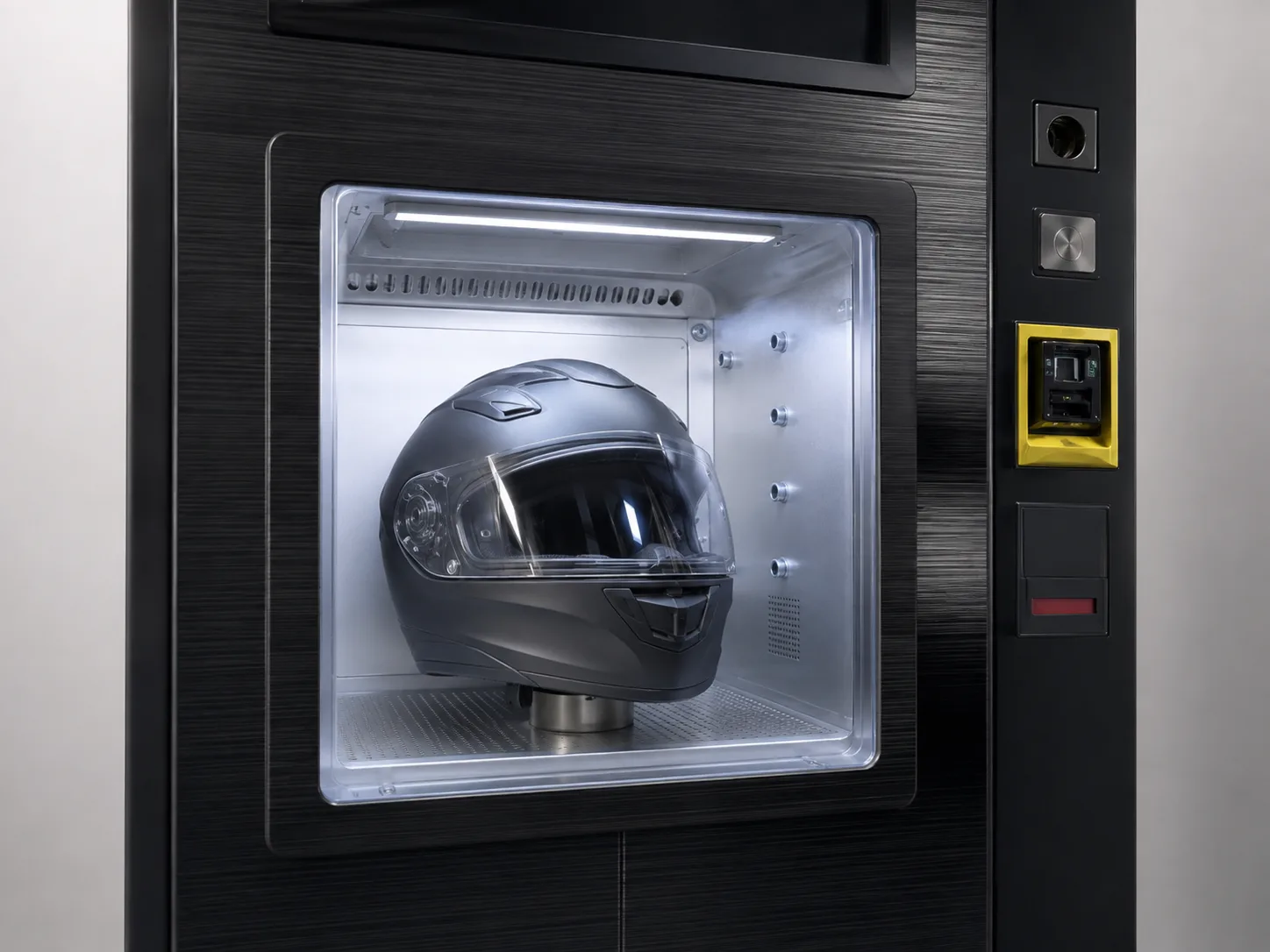
Interface, voice prompts, payment hardware, and exterior can be configured by project.
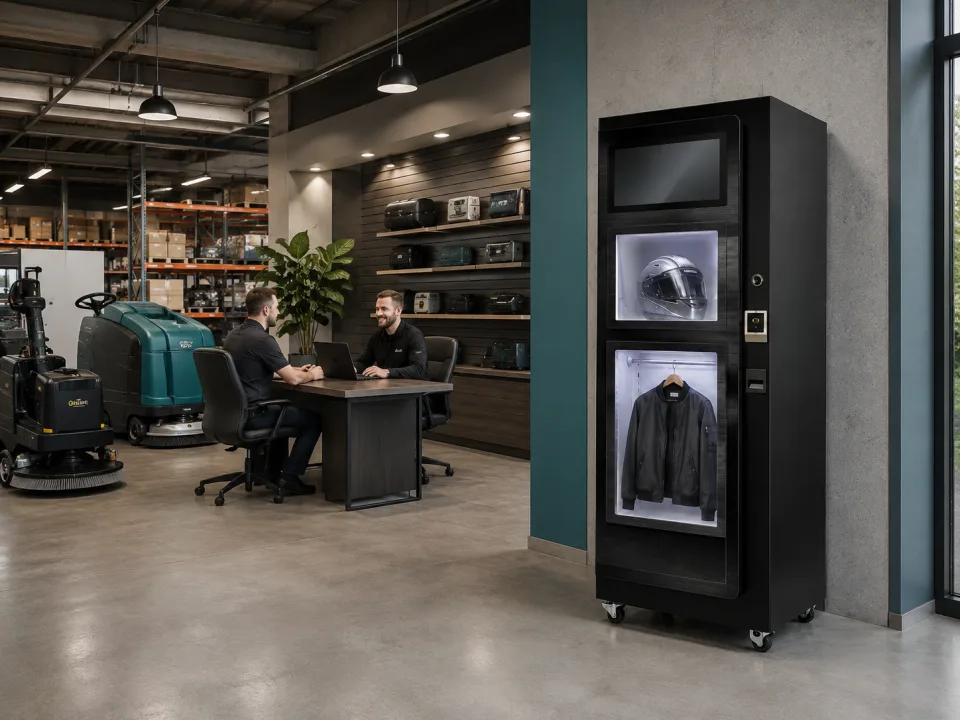
Review the K2 cabinet, control screen, and two enclosed helmet chambers.
Explore the cleaning process A dual-compartment helmet cleaning machine with a steel cabinet, a large touchscreen and configurable payment options.
| Product dimensions (H × W × D) | 1870 × 640 × 530 mm |
|---|---|
| Net weight | Approx. 124 kg |
| Cleaning compartments | 2 compartments |
| Rated voltage | AC 220V / 50Hz |
| Rated / maximum power | 1800 W / 2650 W |
| Electrical protection | Electric-shock protection. |
| Touchscreen | 21.5-inch touchscreen for service selection and advertising display. |
| Spray cleaning & fragrance | Supports helmet spray cleaning and fragrance spraying for the body and helmet. |
| Cabinet color | Black |
|---|---|
| Construction | Cold-rolled steel panels, 1.0–5.0 mm thick. |
| Surface finish | Eco-friendly paint finish with sun and scratch resistance. |
| Front panel | Fuyao tempered safety glass for a sturdy, durable front panel. |
| Card payment | Card reader supported. |
| Payment customization | Banknote and coin payment modules, including change-giving options, can be customized. Other payment configurations are available on request. |
Personalize payment hardware, interface languages, exterior branding and packaging to suit your operation. Share your requirements with our team to define your configuration.
From warm-up to the final drying stage, follow the five steps of our enclosed helmet-care process.

A controlled warm-up stage prepares the chamber and helmet for the treatment cycle.

Ozone treatment takes place inside the closed chamber to help address lingering helmet odors.

Ultraviolet light is applied to exposed helmet surfaces during the enclosed treatment cycle.

This stage combines helmet spray cleaning with fragrance application for a fresh finish.

Circulating warm air reduces remaining moisture before the cleaning cycle finishes.
Cycle settings and duration depend on the selected configuration and helmet materials. Illustrations show the process concept.
Understand the cleaning processChoose a deployment pattern that matches your traffic, staffing, and service model.
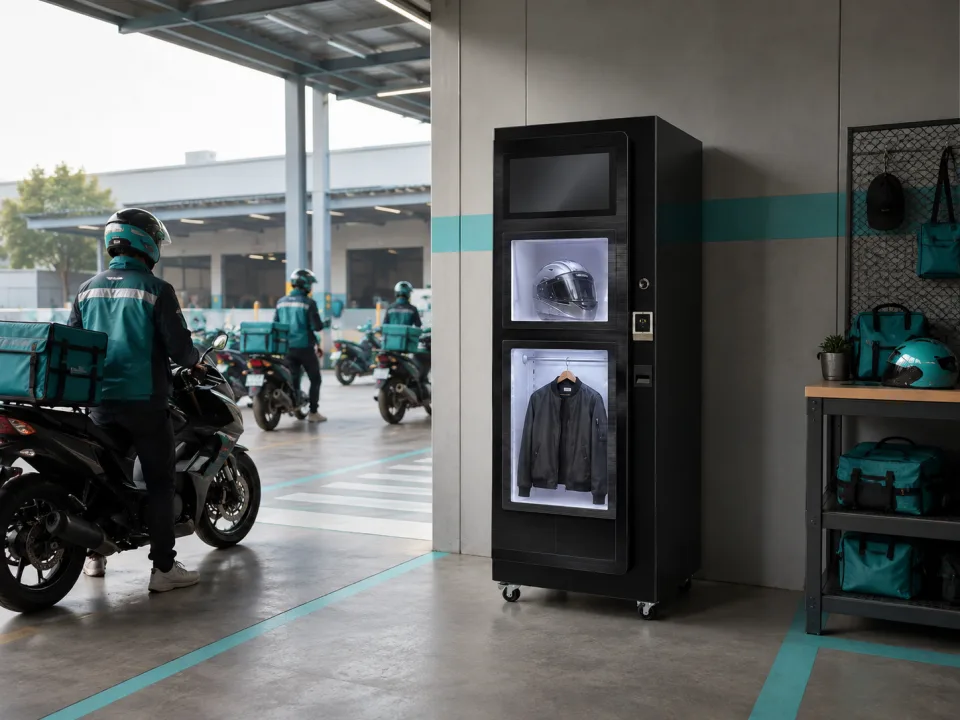
Multi-shift rider and dispatch depots
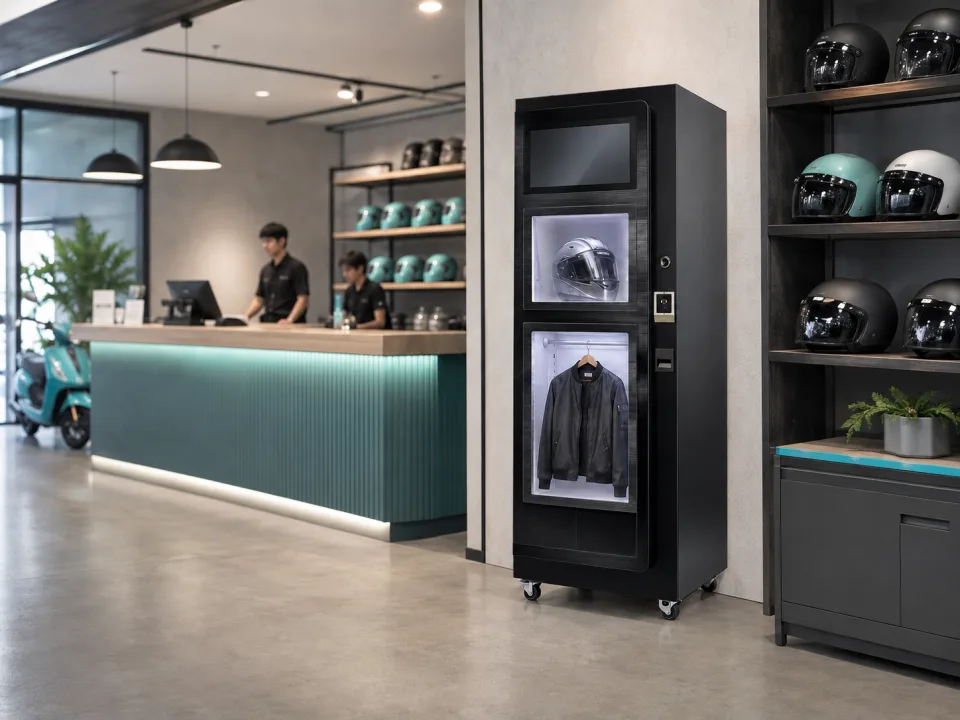
Shared-helmet rental counters
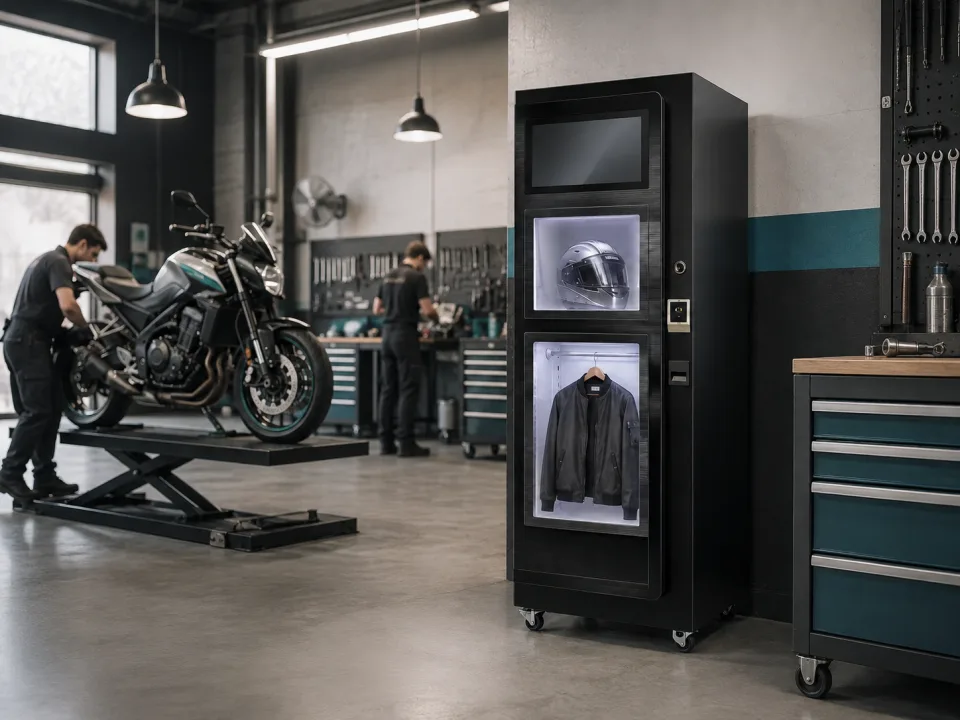
Add-on care at service bays
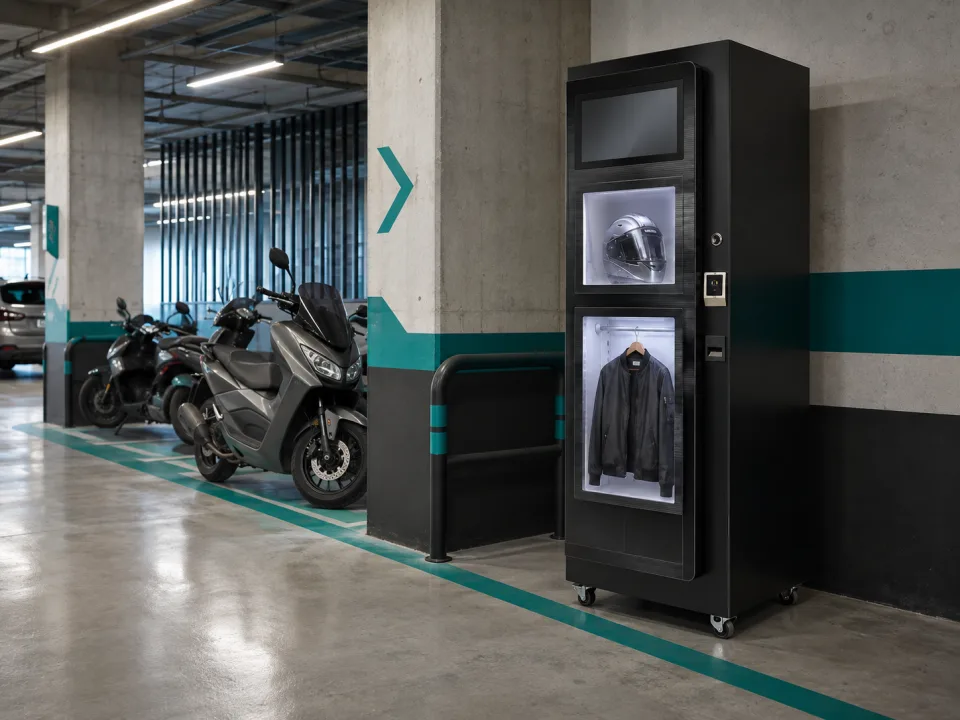
Public parking and commuter sites
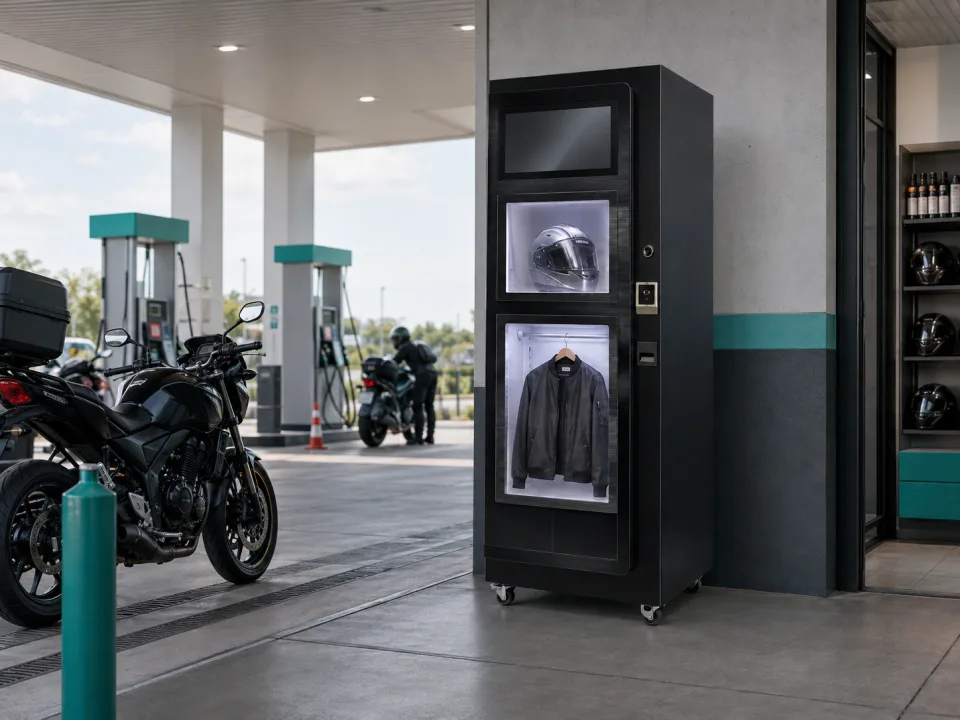
Forecourt service for everyday riders
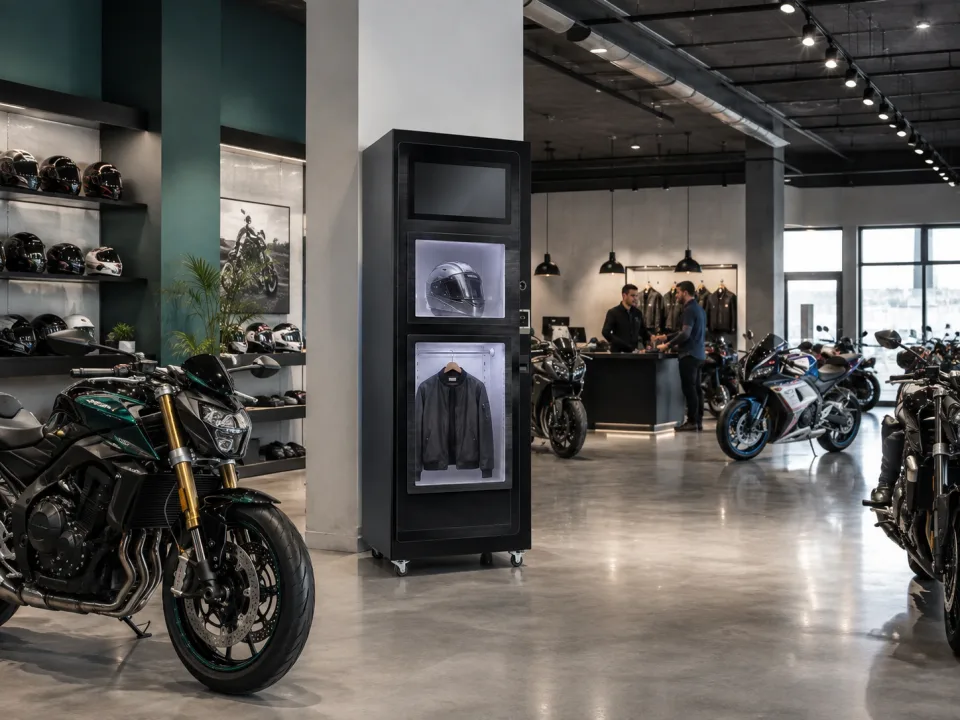
Delivery-day and aftersales care
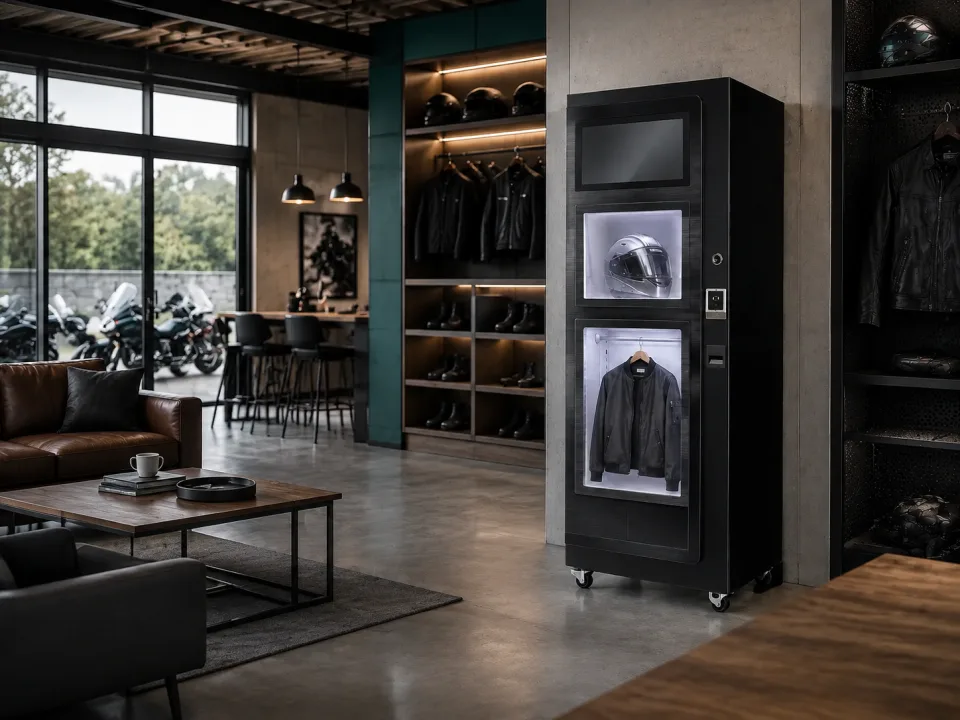
Clubhouses and group-ride hubs
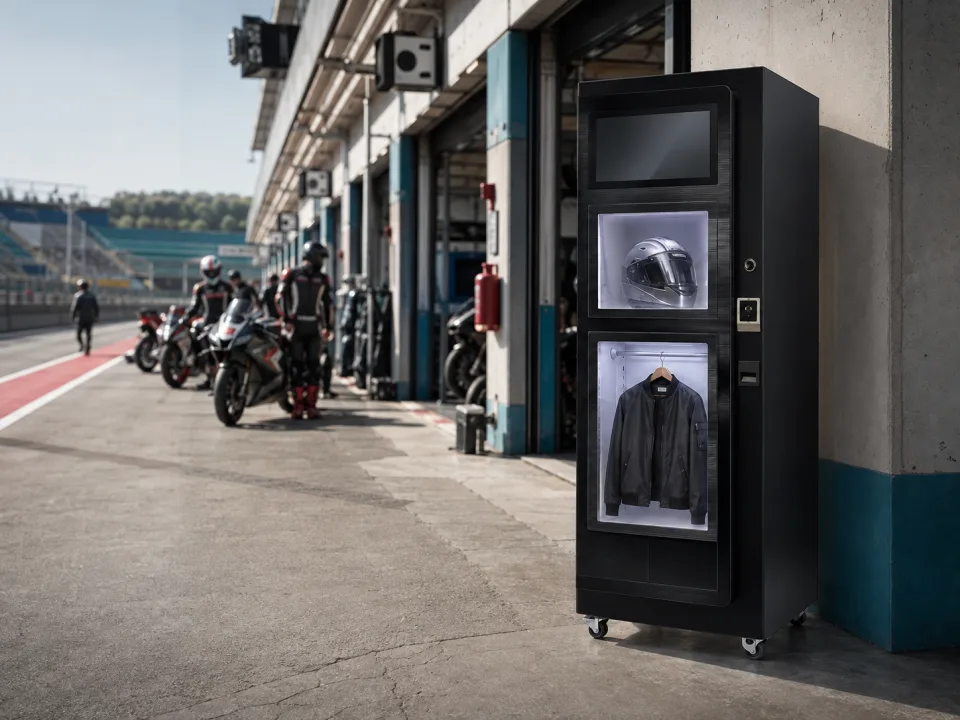
Race days, showcases, and track sites
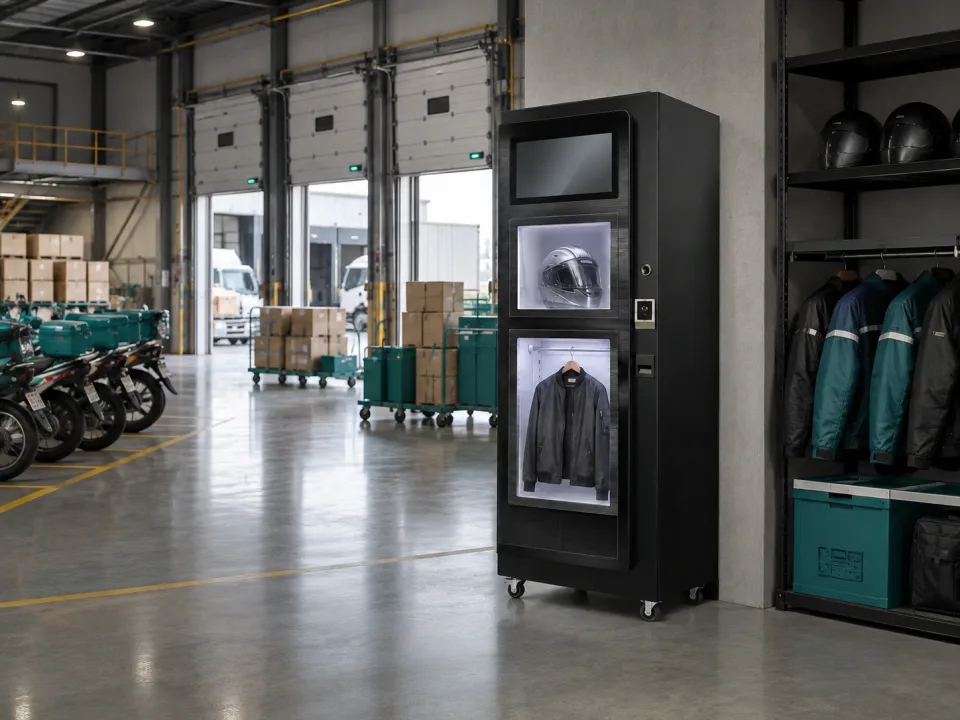
Equipment care between route cycles
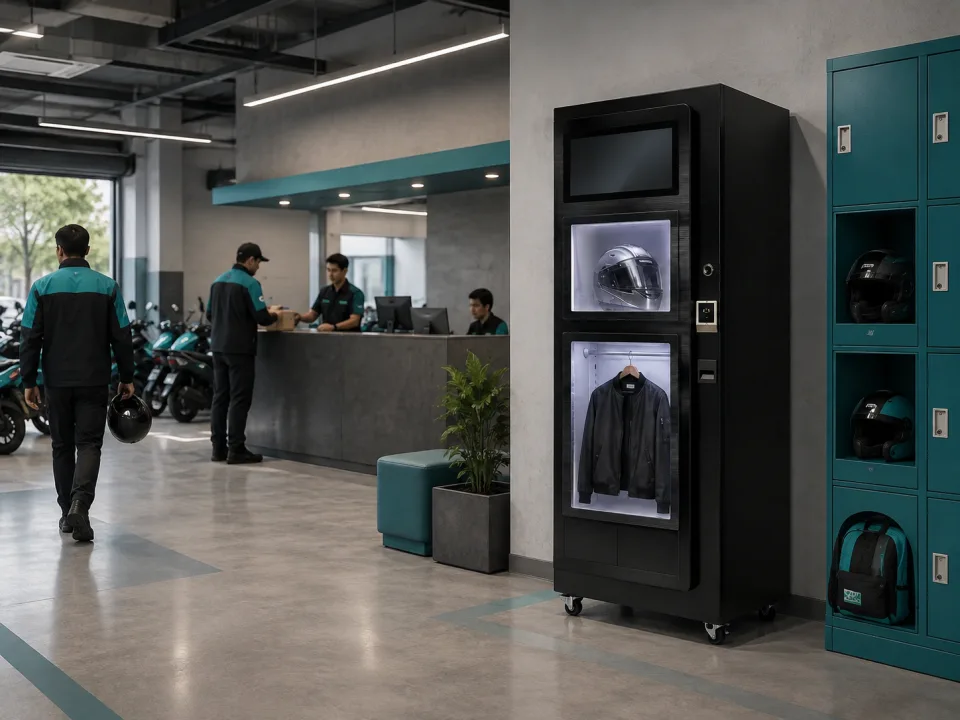
Centralized rider-support facilities
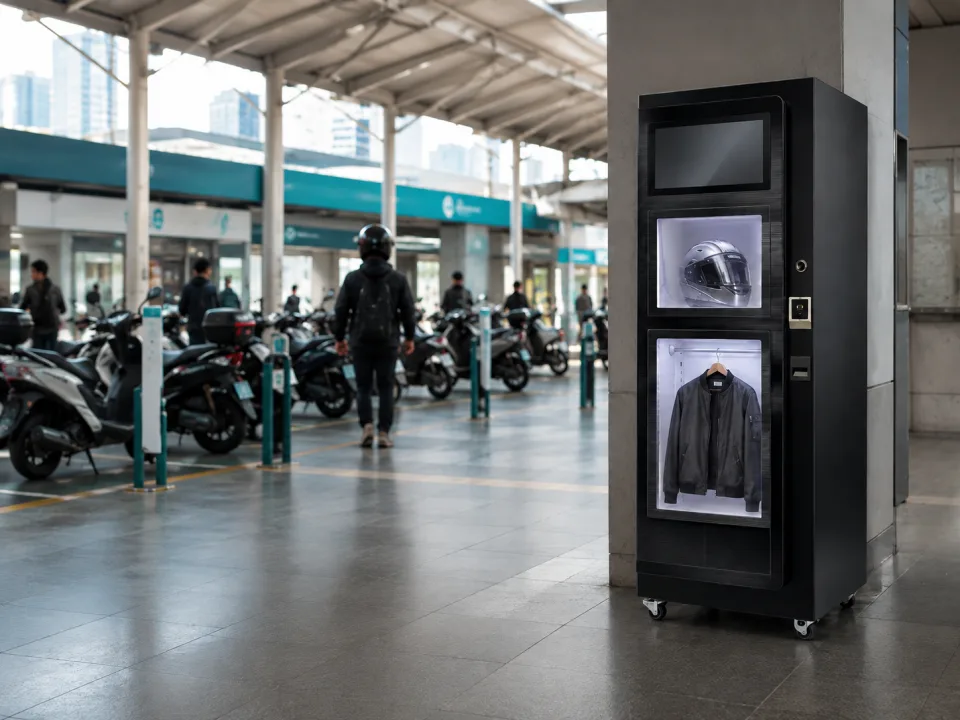
High-turnover transit locations
Local sales and service coverage
HCE works with equipment buyers, site operators and distribution partners. Start with the service you need to deliver, then use the relevant specification, quotation and operating guides to define the project.
A staffed workshop can combine helmet intake, inspection and payment with its existing counter. A fleet service needs identification, repeatable release checks and a schedule for returning helmets. A self-service point needs a usable payment journey, clear instructions and someone responsible for customer support and replenishment.
The S1, D2 and K2 catalog configurations help organize those requirements. Confirm the complete cycle, compatibility and operating capacity for the selected configuration; cabinet appearance or chamber count alone does not establish those results.
Describe your destination, proposed quantity, operating format and site conditions. Include electrical supply details, intended payment provider and interface language. For branding, identify the cabinet artwork, screen changes and documentation you need.
Ask for a quotation that distinguishes included equipment, priced options, shipment responsibilities and ongoing charges. Request the technical sheet for the configuration being quoted and agree how performance and included items will be checked before shipment.
Plan who accepts helmets, checks the result, cleans the equipment and responds to faults. Measure demand at the proposed site and keep paid services separate from demonstrations. Use observed traffic, local costs and a written equipment quote when evaluating the business.
Our operating articles provide planning checklists rather than a universal cleaning recipe. Match the procedure to the helmet instructions, approved consumable and order-specific equipment documentation before using it at a site.
Contact us about a helmet cleaning equipment configuration.
We reply within 24 hours.
Two enclosed helmet chambers bring self-service helmet care into one commercial cabinet.
The K2 cabinet brings together a top screen, two enclosed helmet chambers, and a side-mounted control strip.
View featured machine The enclosed cycle moves through five stages: warm-up, ozone treatment, UV treatment, spray cleaning with fragrance application and controlled drying.
Review the processEquipment configured for your market, connected operation and direct support from the manufacturer.
Support card payments and configure banknote, coin and change-giving options. Local payment integration is scoped around your market.
An order-monitoring dashboard helps you keep track of machine activity. Reporting fields and remote controls are defined for your selected configuration.
Plan connectivity around your installation site and local network. Our team helps define the connection requirements for payments and remote management.
Customize exterior branding, interface languages, payment hardware and packaging to suit your business and destination market.
2 enclosed helmet-cleaning compartments share one commercial cabinet, giving you a compact format for your helmet-care service.
Work directly with our team on technical guidance, spare parts and maintenance. Warranty coverage and service arrangements are set out in your order.
Structured routes for equipment buyers, OEM and private-label partners, and regional distributors who need direct factory coordination.
Compare cabinet formats, treatment zones, installation needs, and site fit with a factory-side equipment brief.
Configure exterior styling, interface languages, payment components, and packaging around your target market.
Discuss regional sales coverage, spare-parts planning, and commercial support with the equipment manufacturer.
Share the site, market, operating model, and configuration questions you need resolved.
Contact the HCE equipment team on WhatsApp with your market, intended site, and equipment requirements. No form details are collected on this site.
Define the cabinet around what must be treated, how the cycle should run, and what operators need to manage at the installation site.
A dedicated enclosed zone for individual helmets, with treatment hardware selected around the project brief.
Suitable cabinet configurations can include a separate hanging area for jackets, riding gear, or workwear.
A closed cabinet keeps the operating cycle contained and helps standardize the user workflow from start to finish.
Drying settings can be planned around materials, local climate, target cycle time, and the available power supply.
On-screen flows can be prepared for the languages and operating steps required in the destination market.
Discuss cashless payment hardware, connectivity, usage reporting, and remote status options during specification.
Plan equipment delivery, site preparation and ongoing care with the HCE team, with arrangements matched to your configuration and destination.

Share your model, quantity and delivery destination. We can discuss the shipping scope and support arrangements alongside your equipment quotation.
Discuss delivery & support Shipping & service detailsCoordinate packing, the destination and shipping terms with our team. Your quotation sets out the production schedule, estimated transit window and delivery responsibilities.
Plan the commercial invoice, packing list and transport documents for your shipment. Discuss any destination-specific documentation with us when defining the order.
Prepare your site around the electrical specification, cabinet clearance and operating instructions. Discuss setup guidance, consumables and routine checks before the machine arrives.
Discuss warranty coverage, replacement parts and technical support with the factory team. Your written order terms define the warranty period, exclusions and how service requests are handled.
Practical guides to selecting, understanding and maintaining commercial helmet cleaning equipment.

Compare helmet compatibility, the complete cleaning cycle, site requirements and operating costs before you choose a machine.
Read guide
Understand the differences between cleaning, odor control and disinfection, and the evidence to ask for when comparing treatment claims.
Read guide
Build a practical routine for daily inspections, scheduled maintenance and service records using your equipment manual.
Read guideShare your market, voltage, language, payment, and deployment requirements with our equipment team.
Tell us where the machine will operate and what your commercial program needs.
Start with your market, application, and target configuration. We will use those details to frame the right cabinet and cooperation path.
Share your market, intended application, preferred model, quantity, and delivery destination directly with the HCE equipment team.
Chat on WhatsApp · +86 153 3888 8949WhatsApp opens in a new window. No form details are collected on this site.
| Item | Why we need it | Example format |
|---|---|---|
| Market and site | Identify the destination and intended use | Country; dealership / rental counter / self-service site |
| Model and quantity | Identify the configuration to discuss | Model code; number of units |
| Site power | Check the proposed electrical configuration | Voltage; frequency; circuit details |
| Payment and language | Define the interface and payment requirements | Provider; screen and voice languages |
We reply within 24 hours.


